he
Ecumenical Patriarchate of Constantinople
holds a unique and foundational place in Christian history, anchoring a
spiritual story that spans nearly two millennia. Beyond bridging the apostolic age, the grandeur
of the Byzantine
Empire, and its enduring global ministry today, the Patriarchate's physical and historical
survival is intimately tied
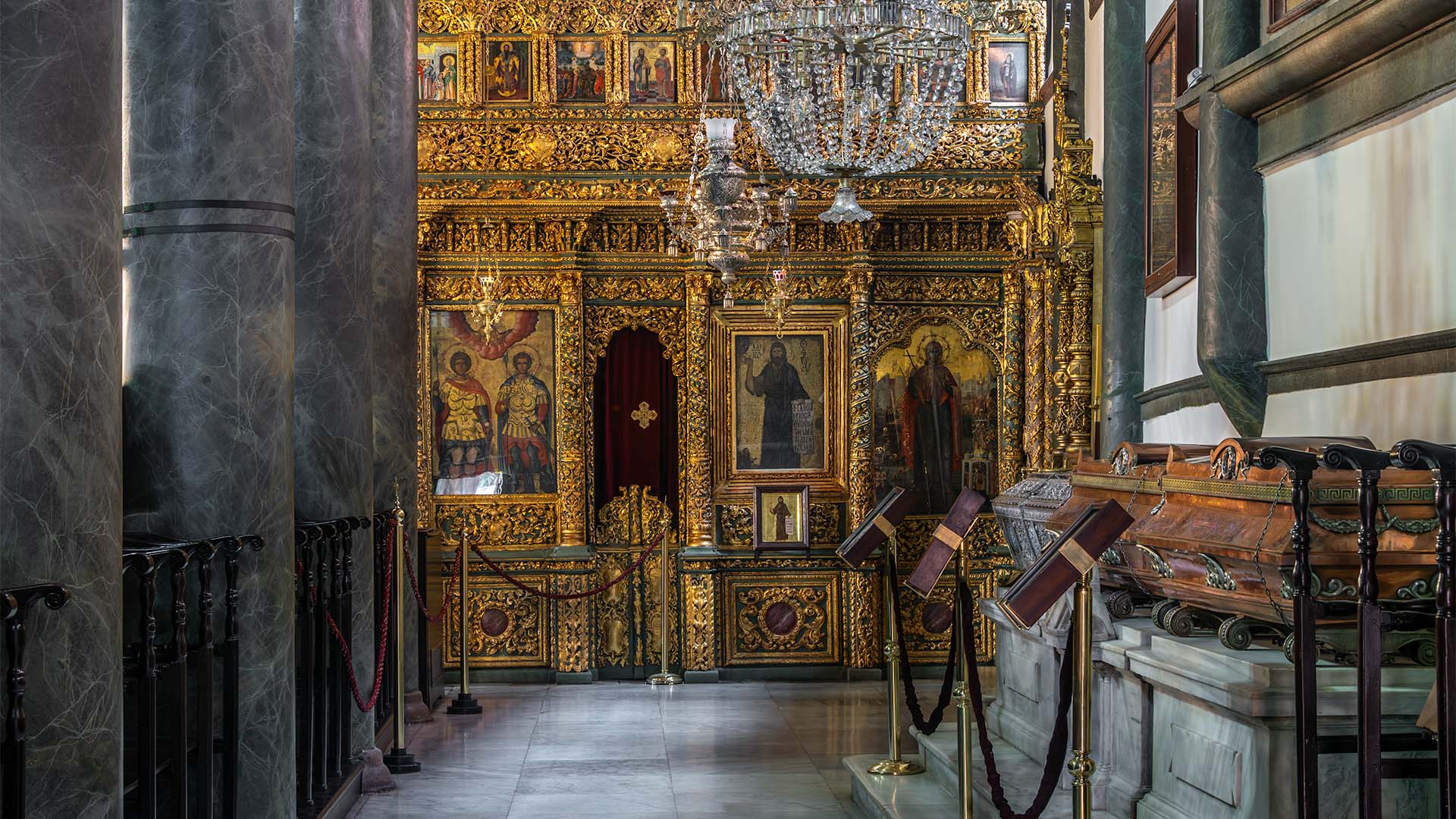
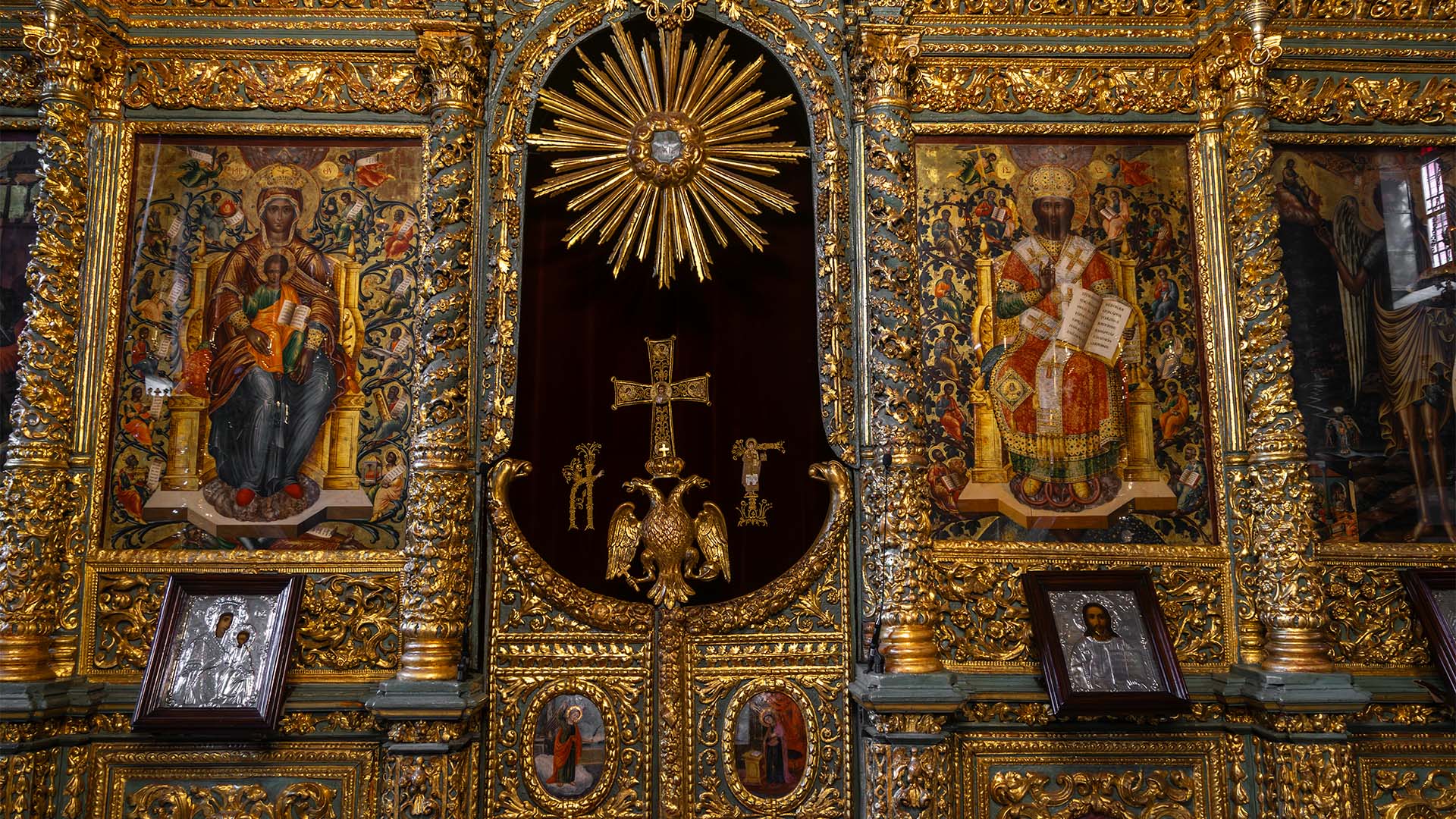
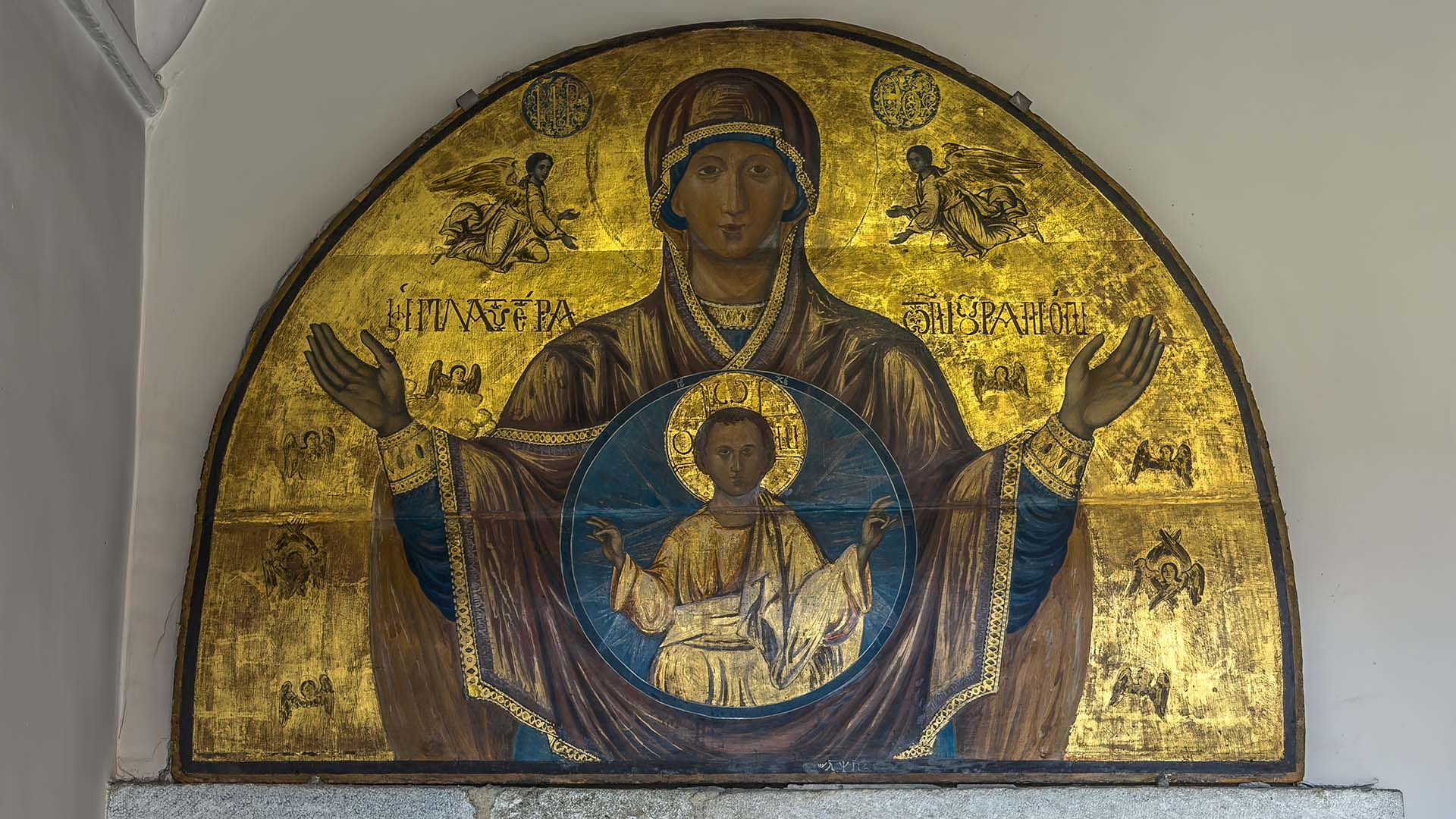
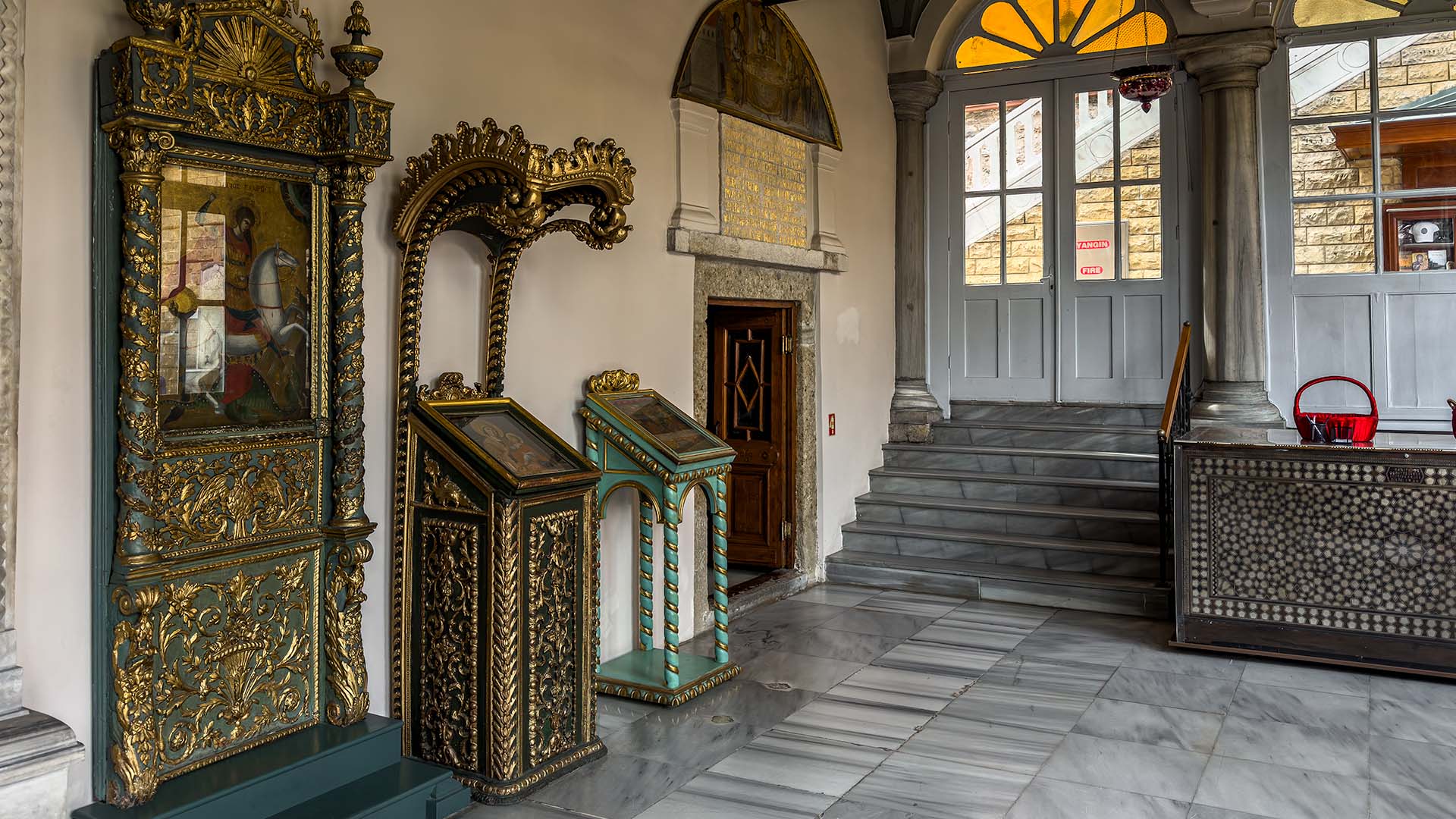
to Panagia Paramythia ("The Consoler").
he
Ecumenical Patriarchate of Constantinople
holds a unique and foundational place in Christian history, anchoring a
spiritual story that spans nearly two millennia. Beyond bridging the apostolic age, the grandeur
of the Byzantine
Empire, and its enduring global ministry today, the Patriarchate's physical and historical
survival is intimately tied
to Panagia Paramythia ("The Consoler").
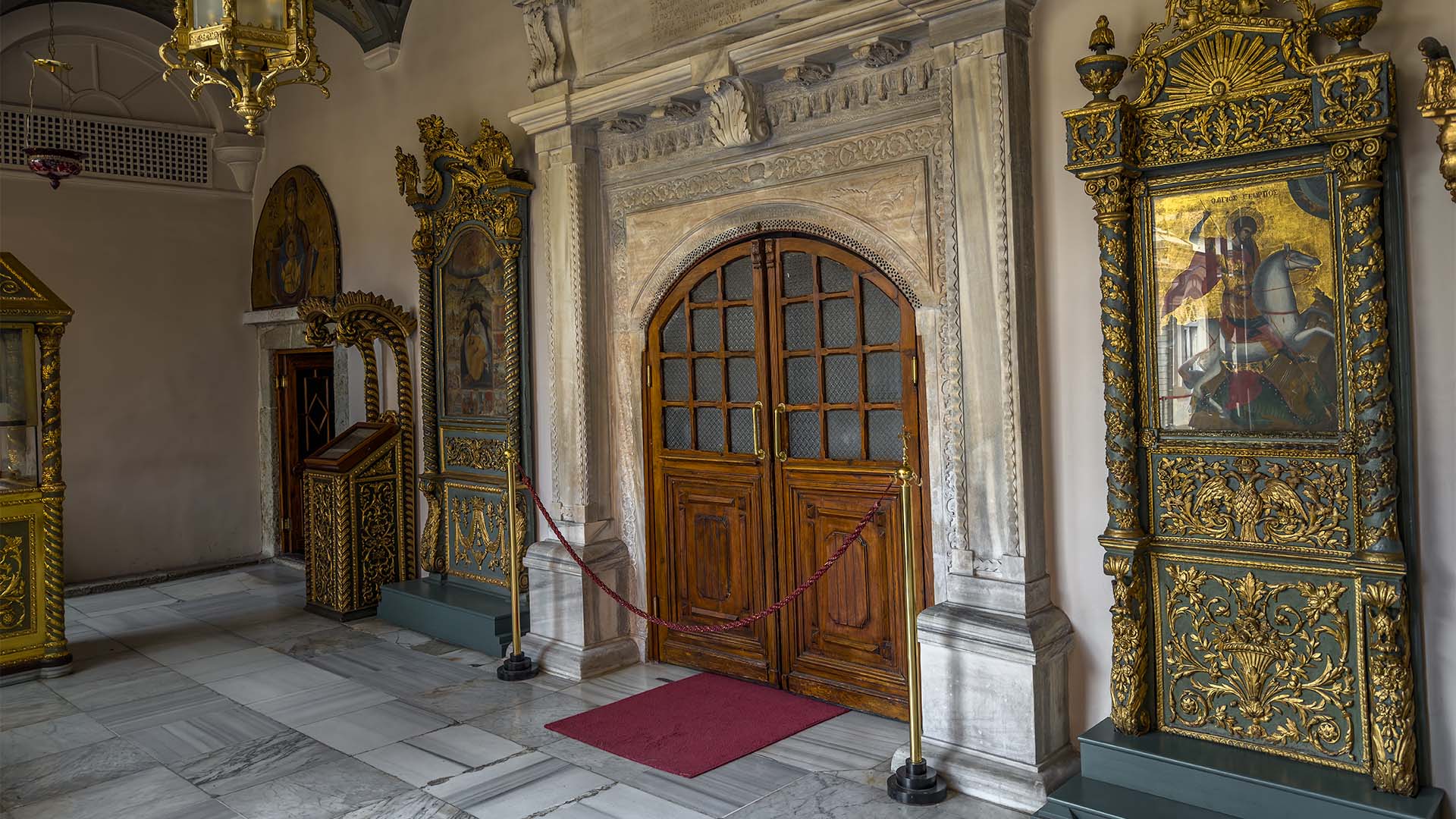
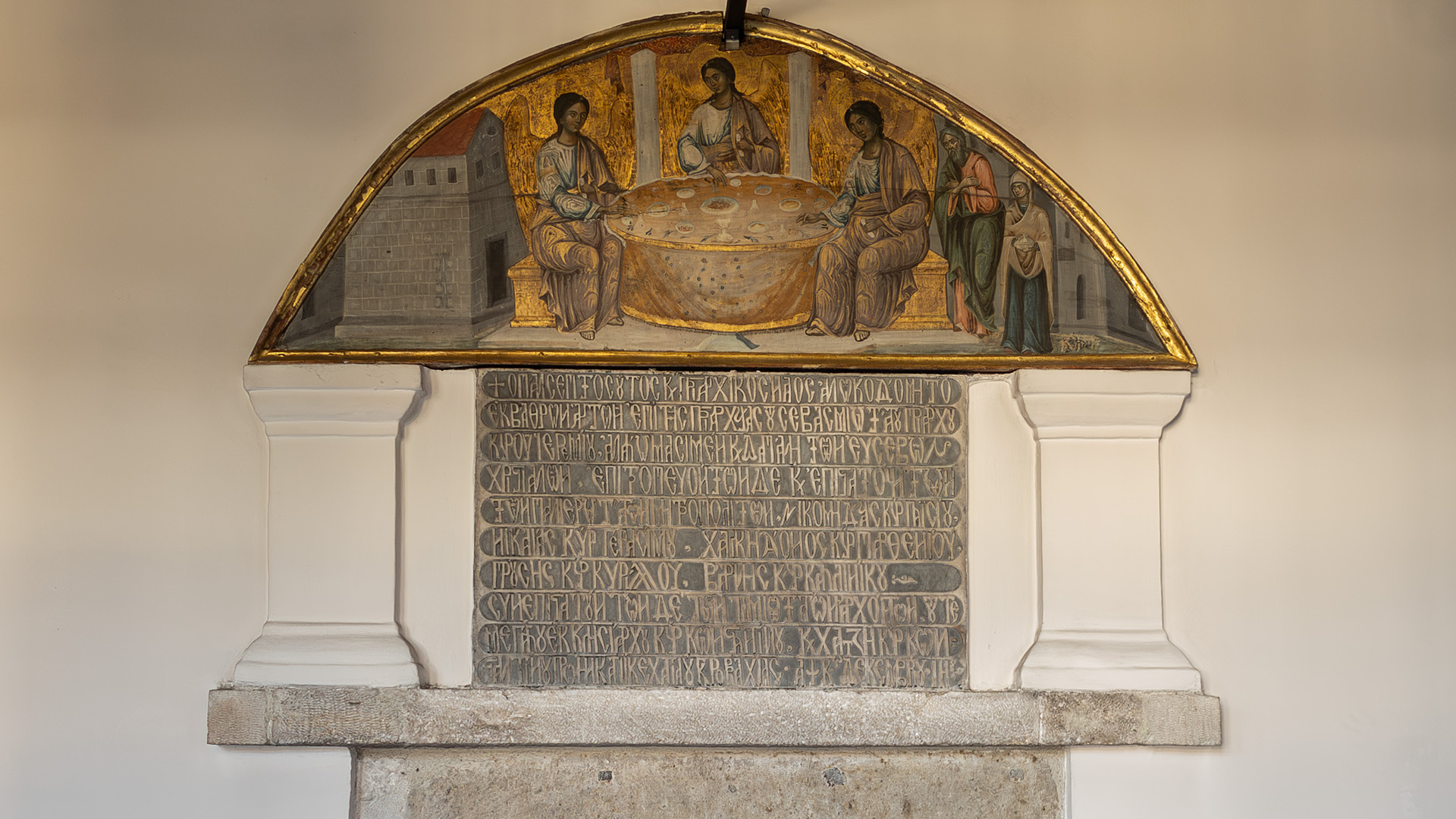
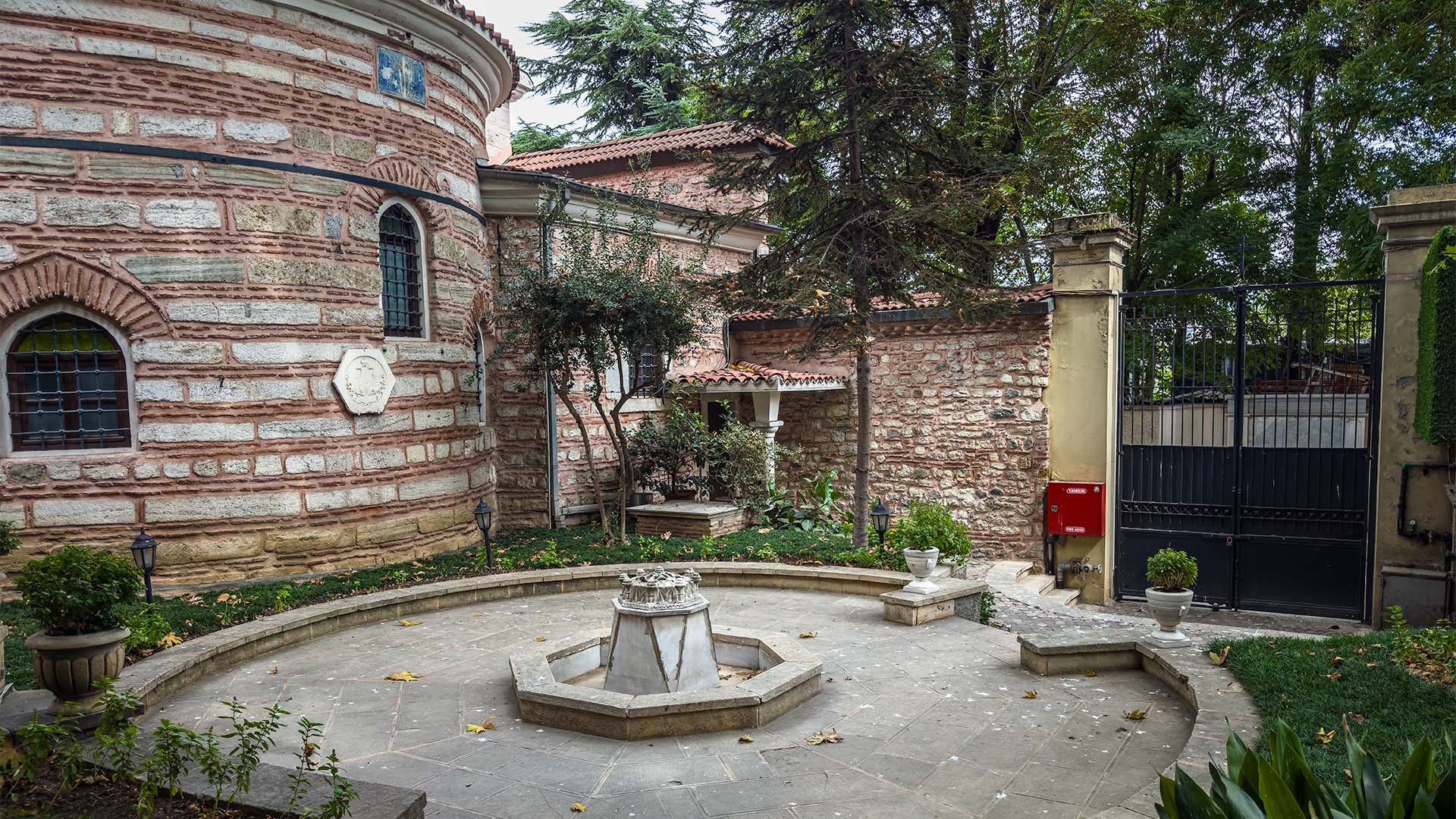
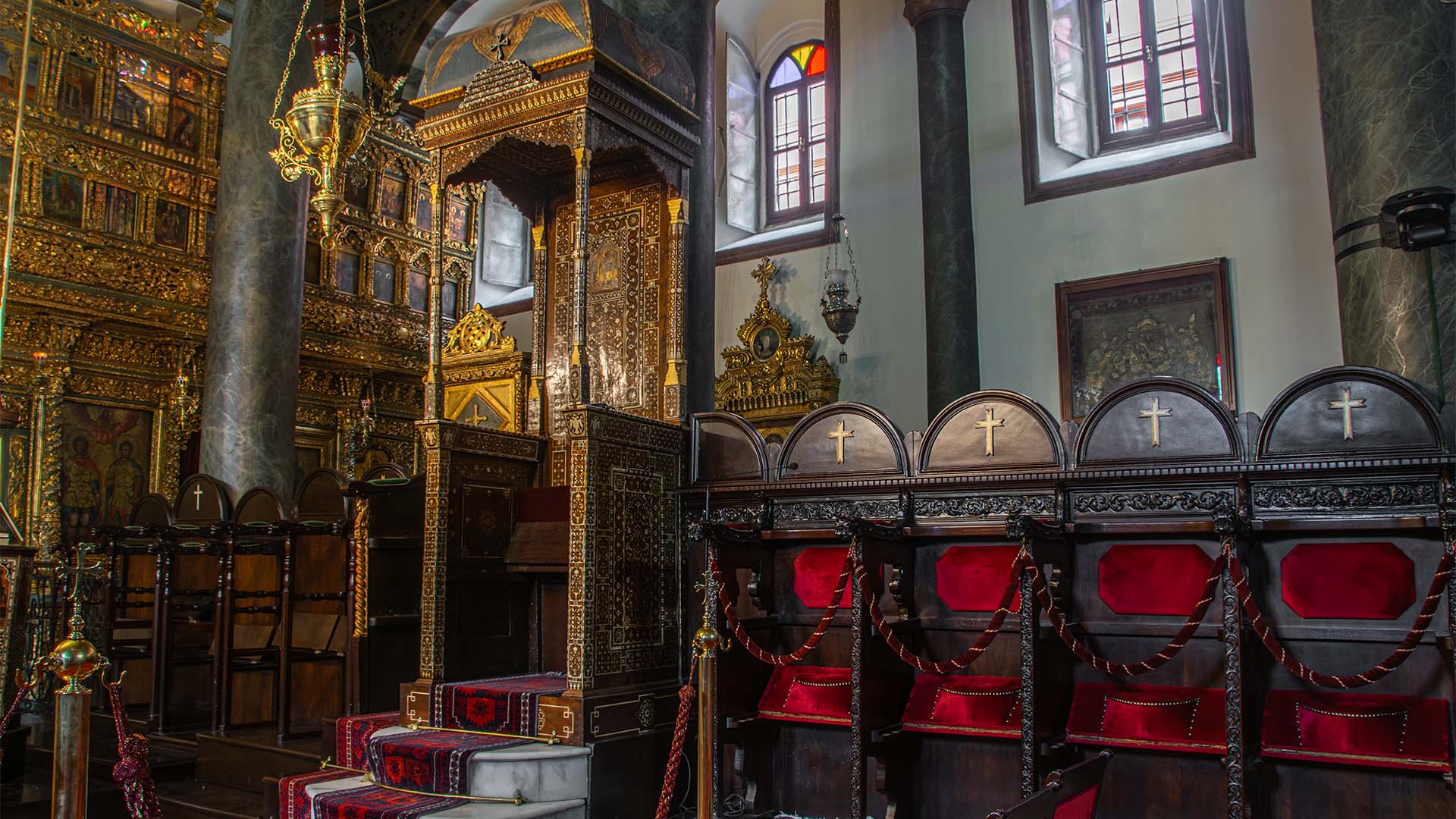
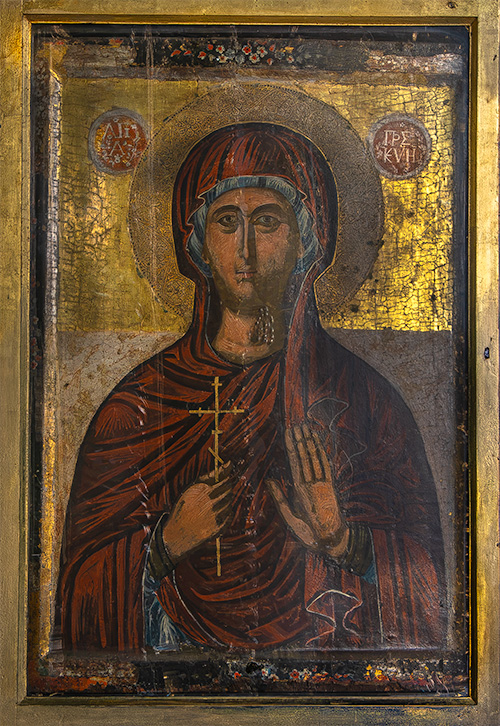 When the historic Patriarchal seat was forced out of the Pammakaristos Church in 1587, it was
the Church of Panagia
Paramythia in the Phanar—generously endowed and donated by the Vlach princes and historically
referred to as the Vlach-Sarai—that stepped forward to provide a vital sanctuary and host the
Mother Church during a period of immense adversity. Serving faithfully as the official
administrative
and spiritual headquarters of the Ecumenical Patriarchate from 1587 to 1597, this sacred
monastic site
safeguarded the institution through a critical and turbulent transitional era.
When the historic Patriarchal seat was forced out of the Pammakaristos Church in 1587, it was
the Church of Panagia
Paramythia in the Phanar—generously endowed and donated by the Vlach princes and historically
referred to as the Vlach-Sarai—that stepped forward to provide a vital sanctuary and host the
Mother Church during a period of immense adversity. Serving faithfully as the official
administrative
and spiritual headquarters of the Ecumenical Patriarchate from 1587 to 1597, this sacred
monastic site
safeguarded the institution through a critical and turbulent transitional era.
It
provided a
secure home
for essential governance, housing monumental ecclesiastical milestones including the Great and
Holy Synod of
1593, which officially established the Moscow Patriarchate, before the patriarchal seat
eventually transitioned
and settled at the nearby Cathedral of St. George. Today, Panagia Paramythia stands as a
profound and
enduring symbol of resilience, marking the sacred grounds where the Phanar firmly established
itself as the
beating heart of the modern Orthodox world.
Apostolic Roots & Foundation
The spiritual authority of Constantinople traces directly back to the early Apostles:
- St. Andrew the First-Called: According to ancient church tradition, Apostle Andrew preached throughout Asia Minor, Thrace, and the Black Sea region, founding the Church of Byzantium and establishing him as its patron saint. The Church honors November 30th as its official Feast Day.
- St. John the Evangelist: Also preached extensively in Asia Minor, writing the Book of the Apocalypse to the "seven churches in Asia" (including Ephesus, Smyrna, and Philadelphia), which became key jurisdictions of the Patriarchate.
- From Village to Bishopric: Long before it became a global capital, ancient Byzantium was a small town under the jurisdiction of Heracleia. Its first bishop was Apostle Stachys, appointed by St. Andrew.
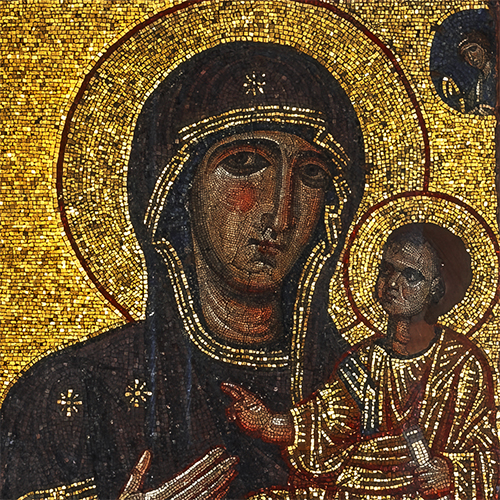
Unveiling the hidden secrets of Pammakaristos Mosaic Icon revealed through dedicated research.
Discover how non-invasive medical CT scans and 3D imaging uncovered 221 concealed structural nails and revealed a lost 12th-century Crucifixion painting hidden behind the icon.
The Byzantine Era & "New Rome" (324–1453 AD)
The destiny of the Church shifted dramatically in 324 AD when Emperor Constantine the Great chose the strategic site of Byzantium for the new capital of the Roman Empire, naming it Constantinople (New Rome).
- Elevation to Patriarchate: As the new political capital flourished, the local church rapidly evolved from a modest diocese into an Archdiocese, and eventually into an Ecumenical Patriarchate.
- The 2nd Ecumenical Synod (381 AD): Recognizing its rising geopolitical and spiritual importance, the 381 Council formally established in its 3rd Canon that the Bishop of Constantinople would hold prerogatives of honor second only to the Bishop of Rome, because Constantinople was the New Rome.
- A Beacon of Civilization: For over a thousand years, the Patriarchate served as the heart of Christian culture, theological scholarship, and missionary expansion—bringing Christianity and the Greek-speaking Christian tradition to Slavic and Eastern European nations.
- The Great Schism (1054 AD): Centuries of theological, cultural, and political growing pains between East and West culminated in the events of 1054, solidifying the separation between the Orthodox Church of Constantinople and the Roman Catholic Church of Rome.
Theological Legacy & the Ecumenical Councils
During the height of the Byzantine period, the Ecumenical Patriarchate played the central role in convening and hosting the Seven Ecumenical Councils (many held in or near Constantinople and Nicaea).
- Defending the Faith: These monumental gatherings defined core Christian doctrines—such as the nature of the Holy Trinity and the dual natures of Jesus Christ—combating major heresies and shaping the shared Creed of Christianity.
- The 2nd Ecumenical Synod (381 AD): Recognizing its rising geopolitical and spiritual importance, the 381 Council formally established in its 3rd Canon that the Bishop of Constantinople would hold prerogatives of honor second only to the Bishop of Rome, because Constantinople was the New Rome.
- Preservation of Knowledge: Through its monastic networks, scriptoria, and patriarchal libraries, the Church preserved invaluable classical Greek philosophy alongside patristic theology, later fueling intellectual revivals.
Historical Resilience & Modern Global Mission
Despite facing monumental political shifts, historical trials, and the fall of the empire in 1453 under the Ottoman conquest, the Ecumenical Patriarchate persevered as an enduring institution under difficult circumstances.
- Primus Inter Pares: Today, it remains the historic Mother Church and center of unity for millions of Orthodox Christians worldwide, holding the historic title of Primus inter pares (First among equals) among the autocephalous Orthodox Churches.
- Global Footprint: While historically rooted in Istanbul (Constantinople) at the Patriarchal Church of St. George in Phanar, its current jurisdiction extends far beyond Turkey, overseeing archdioceses and metropolises in the Americas, Europe, Asia, and Oceania, and championing global issues like religious freedom and environmental protection.