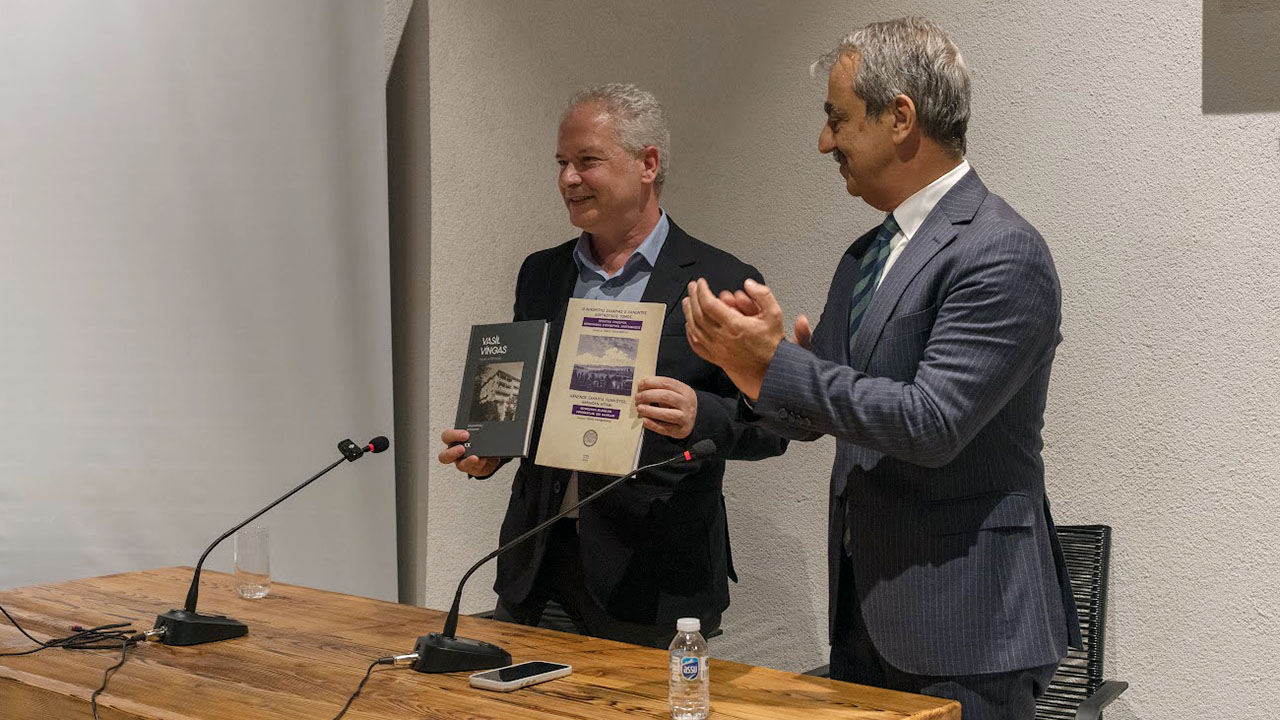
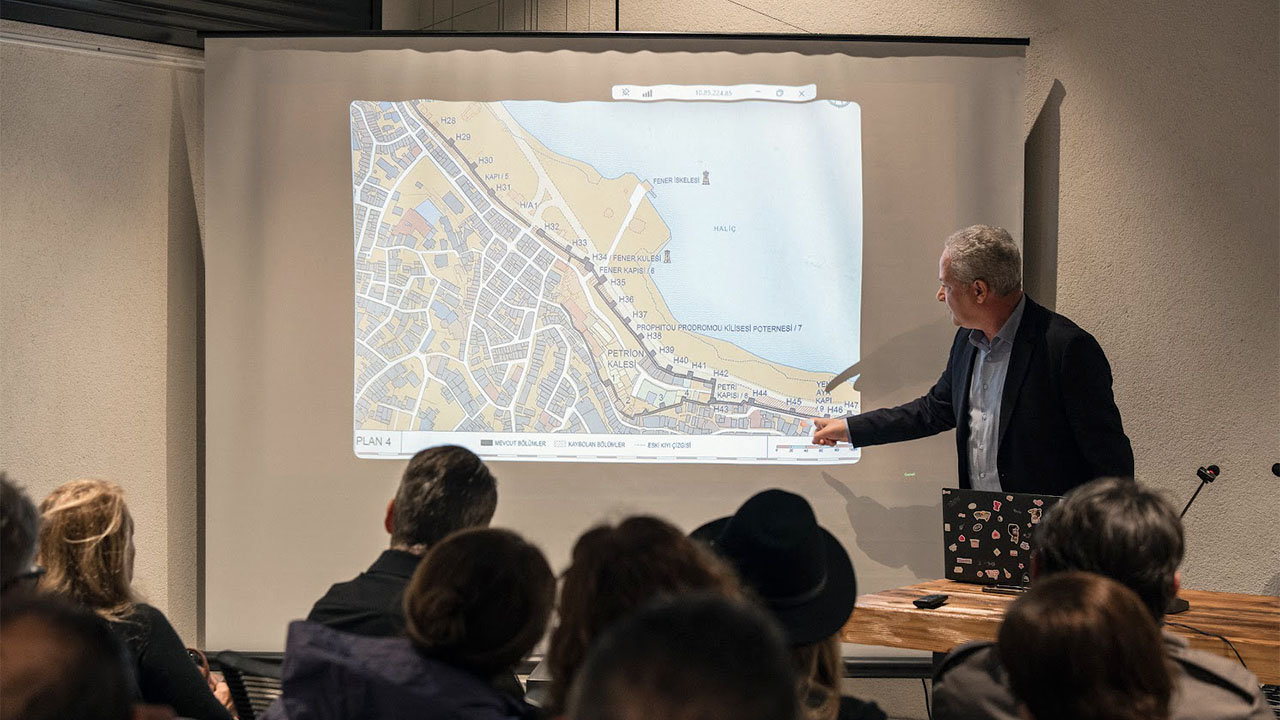
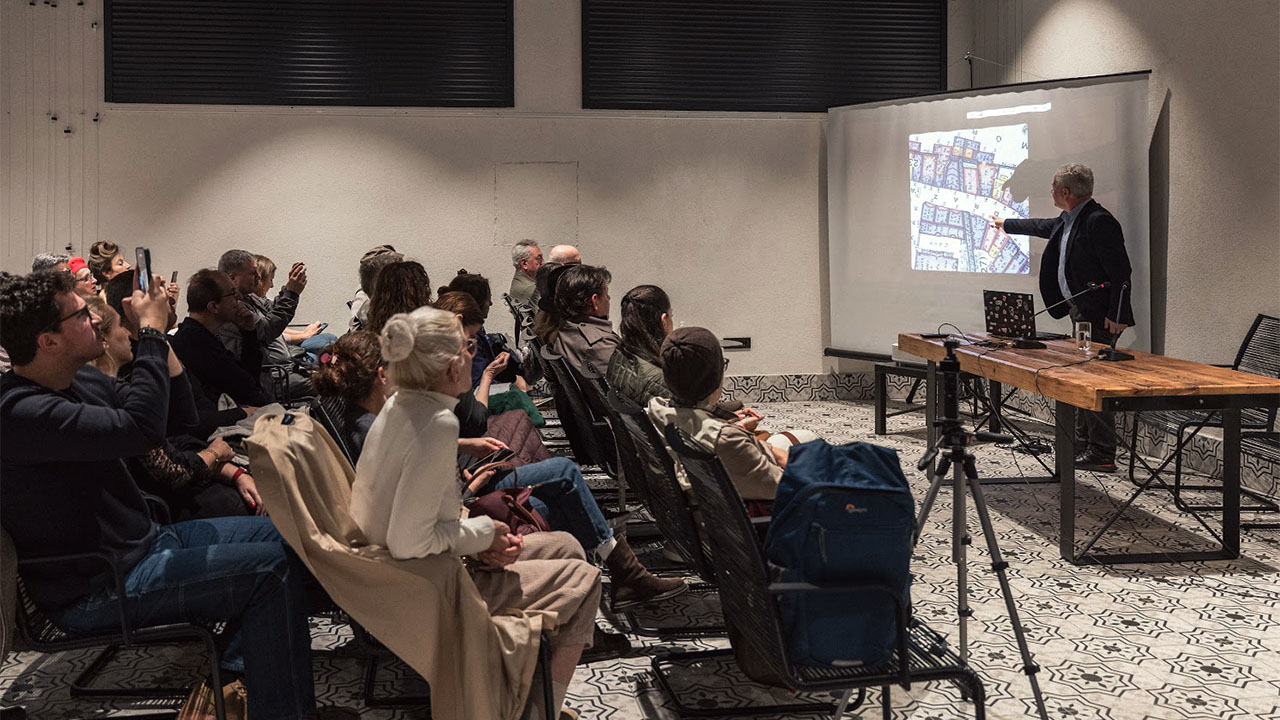
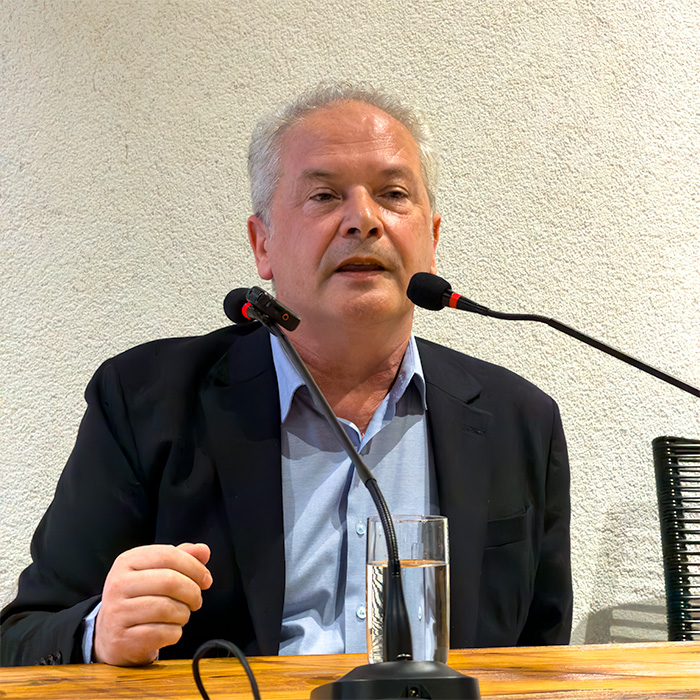
elçuk Eracun—art historian, researcher,
author, and
President of the Board of Directors of the Istanbul Chamber of Guides delivered
a special lecture titled A Talk on Petrion: Fener's
Hidden Byzantine Fortress at Vlahsaray Panagia Paramythia Church in Fener-Balat,
Istanbul, on November 14, 2026.
Born in Istanbul
in 1968, Eracun represents the fourth generation of the Eracun family, whose roots in the city
date
back to 1871.
Elected President of the Board of Directors of the Istanbul Chamber of Guides (IRO) in 2024 after serving as a 17th-term TUREB delegate, Eracun has dedicated his career to uncovering and interpreting Istanbul’s multi-layered history. He worked for seven years with the Association for the Protection and Tourism of the Hagia Sophia Museum, conducting extensive research on architectural stratigraphy ("structure in time"), Byzantine painting, and Orthodox iconography at both Hagia Sophia and the Chora Museum (Kariye Camii). Beyond these major monuments, his fieldwork, cultural walks, and lectures at universities and heritage foundations frequently spotlight the lesser-known Byzantine fortifications, cisterns, and post-Byzantine landmarks of the Historical Peninsula and Golden Horn—making him an ideal voice to illuminate Fener’s hidden fortress of Petrion.
 Beyond his
scholarly
research and writing, Eracun has served as a state protocol guide for
numerous
visiting
heads of state, international dignitaries, and official delegations at Hagia Sophia and
Istanbul’s
historic
landmarks. He also served as art director for the acclaimed documentary In the Depths of Hagia Sophia (Ayasofya’nın
Derinliklerinde), a project that served as a source of inspiration for author Dan
Brown’s novel Inferno.
Hosting the lecture within the historic complex of Vlahsaray Panagia Paramythia bridged Fener’s Byzantine urban fabric with its post-Byzantine ecclesiastical legacy. Despite serving as the Patriarchal center for only a short period, Panagia Paramythia hosted one of the most important ecclesiastical gatherings of the post-Byzantine era: the Great and Holy Synod of 1593. This synod produced landmark decisions that shaped Orthodox Christian history and global geopolitics, granting autocephaly (independence) to the Russian Orthodox Church—elevating Metropolitan Job of Moscow to Patriarch of Moscow and All Russia—and formally reaffirming the Julian calendar established by the First Ecumenical Council of Nicaea (325) for determining the date of Easter (Pascha).
Today, Panagia Paramythia remains a vital reference point in the study of Orthodox heritage, Phanar history, and the architectural and cultural evolution of Istanbul along the Golden Horn.