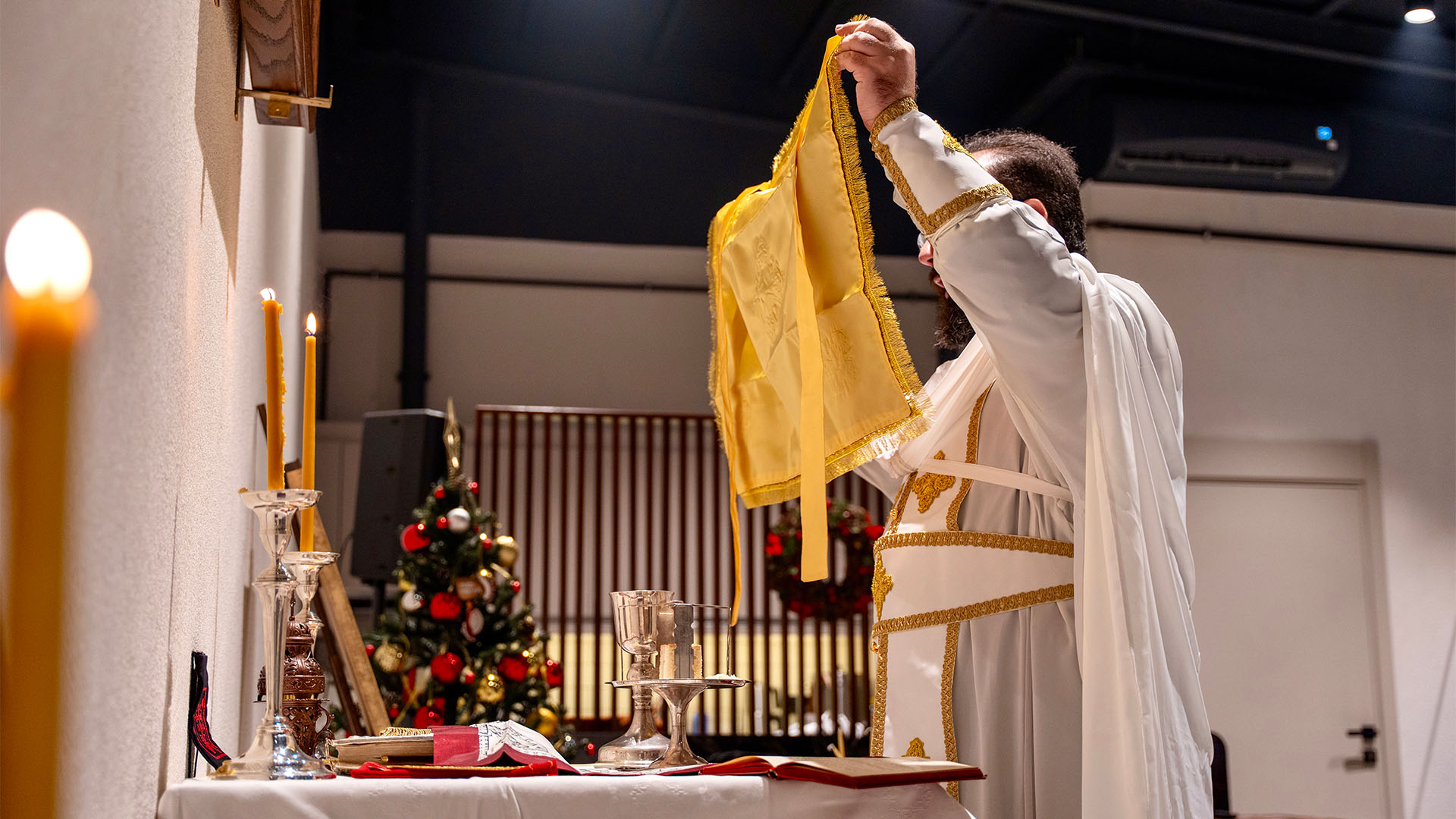
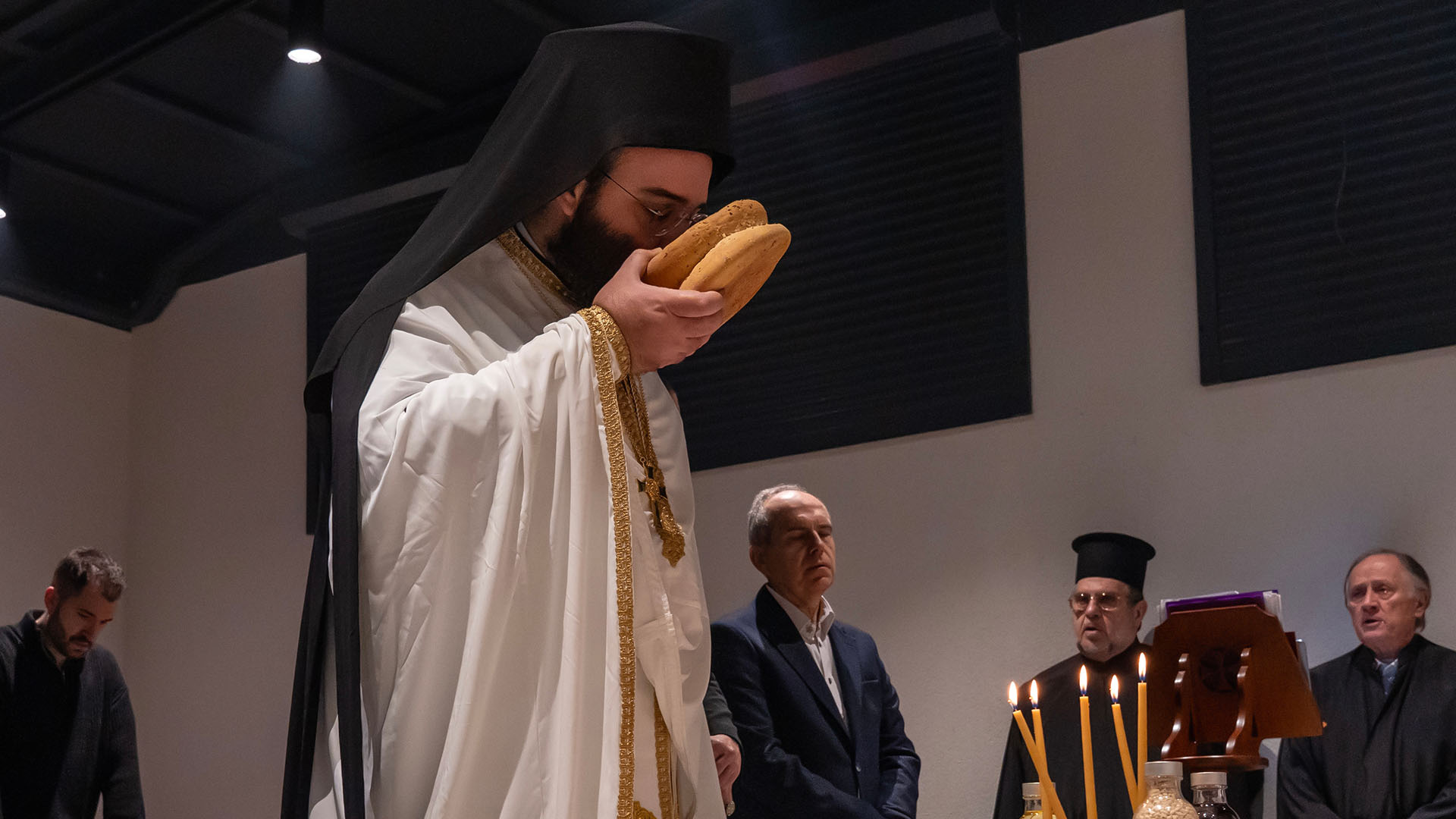
very year on August 15, Christian communities
across Istanbul celebrate Meryem Ana
Yortusu—the Feast of the Virgin Mary. Known in the Eastern Orthodox tradition as
the Dormition of the Theotokos (Greek: Κοίμησης της
Θεοτόκου), this holy day
commemorates the physical death, burial, and subsequent bodily resurrection of the Virgin Mary.
It is a profound celebration woven directly into the imperial history of Constantinople and
the enduring legacy of the Church of Panagia Paramythia.
very year on August 15, Christian communities
across Istanbul celebrate Meryem Ana
Yortusu—the Feast of the Virgin Mary. Known in the Eastern Orthodox tradition as
the Dormition of the Theotokos (Greek: Κοίμησης της
Θεοτόκου), this holy day
commemorates the physical death, burial, and subsequent bodily resurrection of the Virgin Mary.
It is a profound celebration woven directly into the imperial history of Constantinople and
the enduring legacy of the Church of Panagia Paramythia.
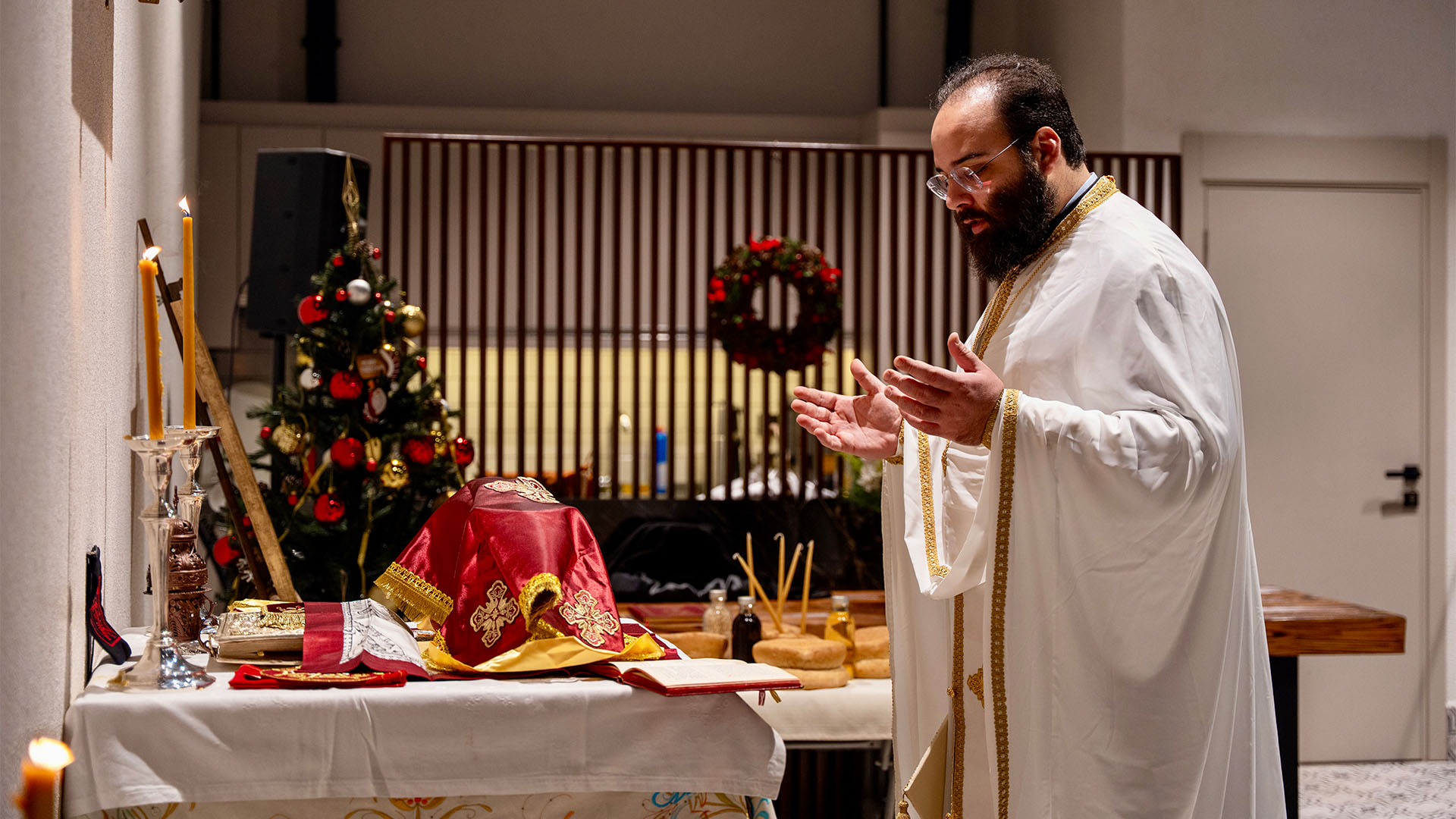
Constantinople: The City Protected by the Virgin Mary
To understand the immense weight of this feast day at Panagia Paramythia, one must look back to the foundations of Byzantine Constantinople. From the 5th century onward, the capital of the Empire was explicitly dedicated to the Virgin Mary. She was revered as the Hypermaxos Strategos—the "Defending General" and ultimate protector of the city.
During historic sieges, plagues, and crises, the citizens believed the Mother of God actively patrolled the city walls. The Feast of the Dormition on August 15 was effectively a national holiday, marked by grand imperial processions moving from the Hagia Sophia to the legendary Church of the Blachernae. Following the fall of the empire, this deep, historic devotion did not fade; it retreated into the safety of the neighborhood parish churches of the Phanar, finding a vital sanctuary at Panagia Paramythia.
The Meaning of "Paramythia" — The Motherly Consolation
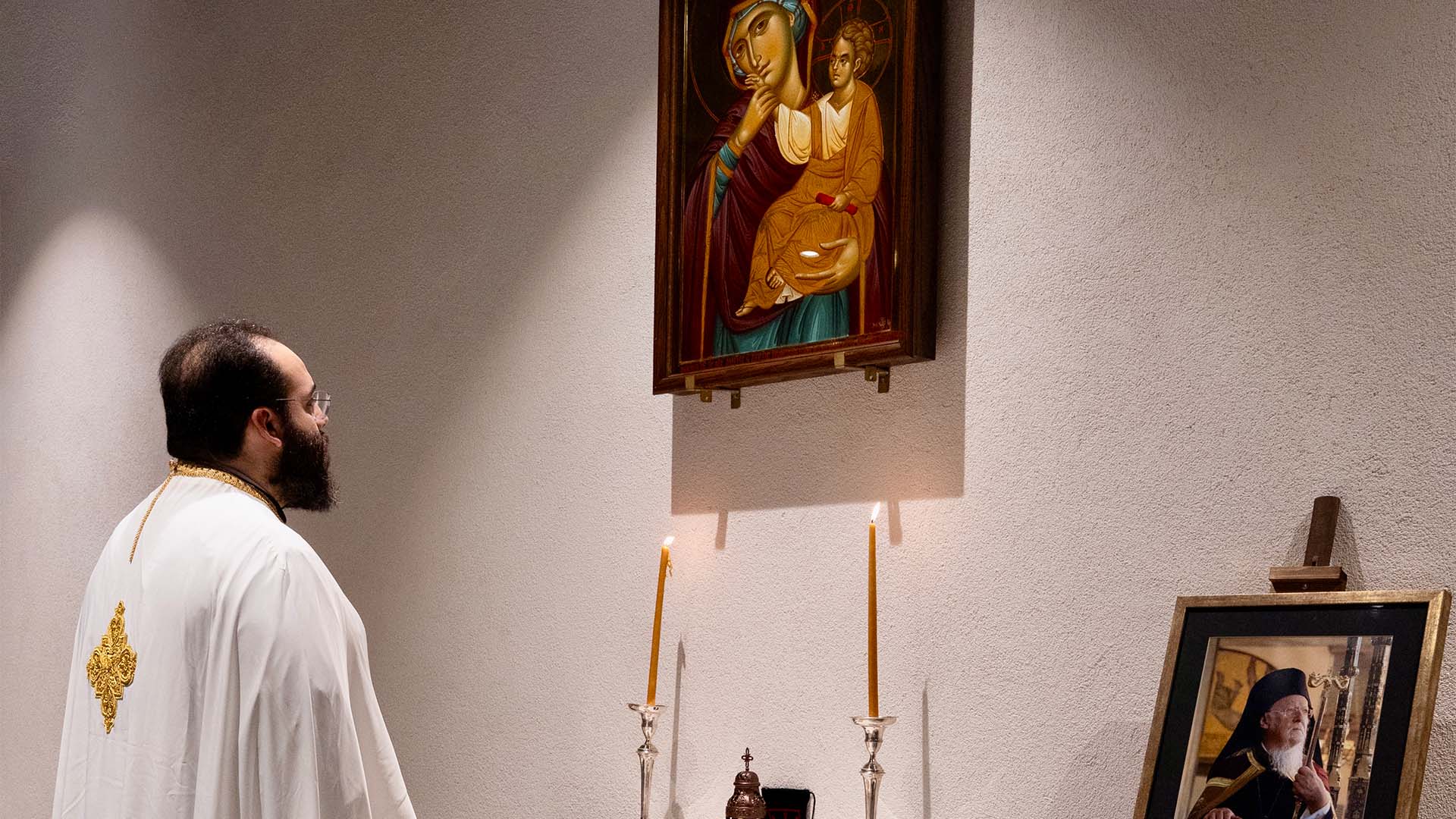
The very name of our church carries a deep theological connection to the Virgin Mary. Transliterated from Greek, Paramythia translates to "Consolation" or "Comfort." This title originates from sacred Orthodox iconography, depicting the Virgin Mary holding the hand of the Christ child away from her face in an act of maternal intercession, mercy, and protection. For the Greek and Vlach communities living under Ottoman rule in the late 16th century, celebrating the Meryem Ana Yortusu inside a church named after her comforting nature held immense spiritual weight. It was a place where an embattled flock sought psychological and spiritual consolation.
The Patriarchal Era (1587–1597) and the August Liturgies
When Sultan Murad III confiscated the Patriarchal cathedral of Pammakaristos Church in 1587 to convert it into the Fethiye Mosque, the Ecumenical Patriarchate was left without a home. It was during this dark hour that the Vlach princes stepped forward, offering their grand church, Panagia Paramythia, to serve as the new Patriarchal Seat.
For eleven pivotal years, Panagia Paramythia was the absolute center of global Orthodoxy. This status transformed how the Feast of the Virgin Mary was celebrated:
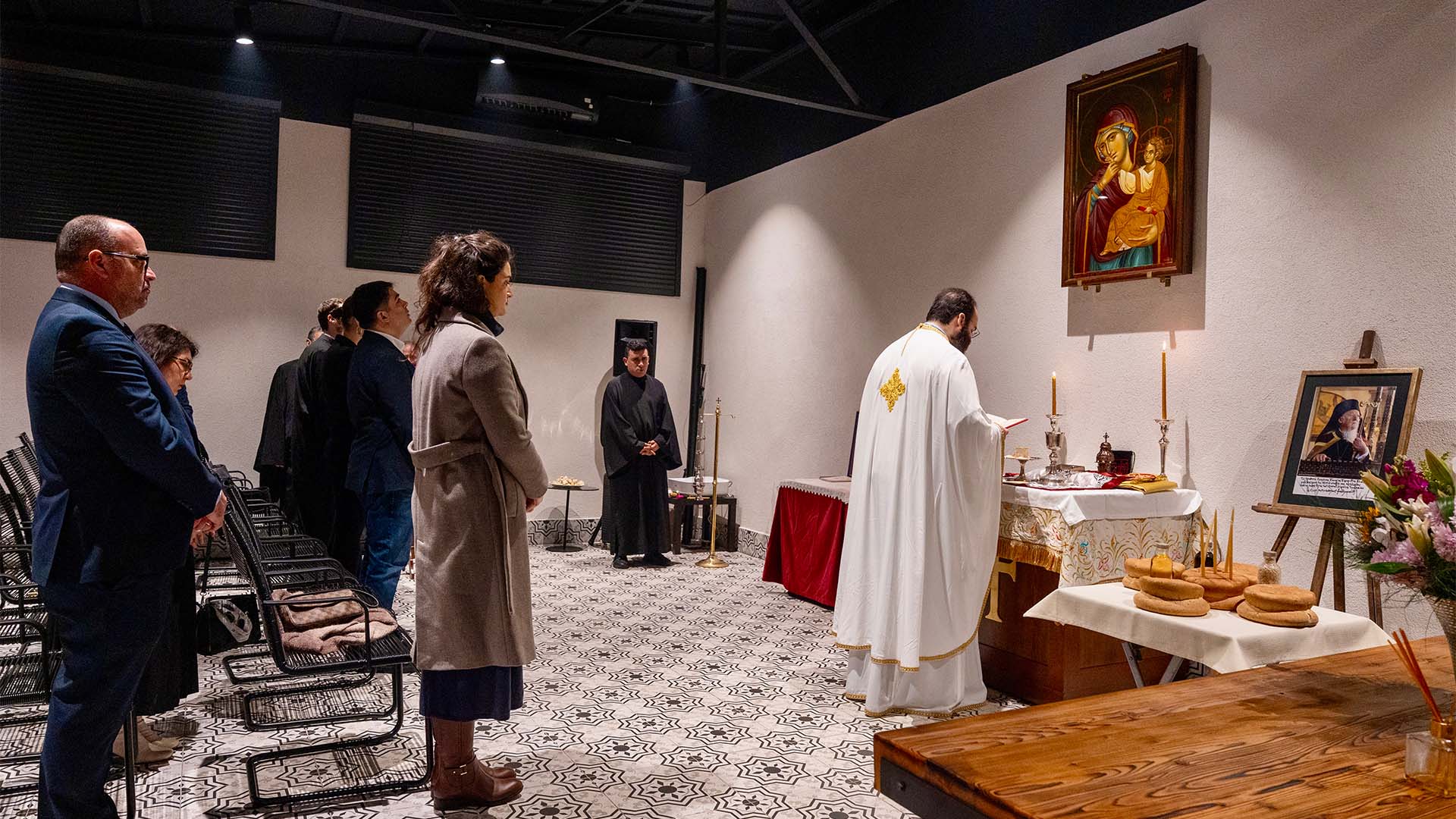
- The Patriarchal Liturgy: For eleven consecutive Augusts, the Ecumenical Patriarch himself stood before the wooden iconostasis of Panagia Paramythia to lead the solemn and majestic Dormition Divine Liturgy.
- The 14-Day Fast in Phanar: Throughout the strict 14-day Dormition Fast (August 1–14), the surrounding streets of the Phanar district entered a period of deep quietude and spiritual preparation, culminating in massive crowds gathering at the church gates on August 15.
The Vlach Connection: A Universal Orthodox Sanctuary
Because the church was closely tied to the rulers of the Danubian Principalities (modern-day Romania and Moldova), it was known alternatively as the Vlach-Saray (the Palace of the Vlachs). These princes possessed a profound, intense devotion to the Virgin Mary, funding the expansion of Panagia Paramythia into a three-aisle basilica as an act of piety dedicated to her.
Whenever Wallachian dignitaries, merchants, or pilgrims traveled to the Ottoman capital, Panagia Paramythia was their spiritual home. Celebrating the Feast of Mary within these walls served as a magnificent cultural bridge, connecting the Greek, Slavic, and Latin-descended Orthodox peoples of the Balkans back to the heart of the Ecumenical Center.
An Enduring Spiritual Legacy
Though the physical structure of Panagia Paramythia was tragically lost to the devastating fire of 1974, the legacy of its grand August celebrations remains unbroken. The history of Meryem Ana Yortusu at the Vlach-Saray stands as a powerful testament to a time when a modest church in the Phanar held the spiritual weight of the entire Christian East, offering "Paramythia"—divine consolation—to all who entered its gates.